Unraveling Clearance Timeline Effects on Handheld Game Mode Shifts Alongside Linked Starting Reward Structures
Jordan Sullivan · Oct 11, 2026

Unraveling Clearance Timeline Effects on Handheld Game Mode Shifts Alongside Linked Starting Reward Structures
Clearance timelines in regulated gaming environments refer to the periods required for platform operators to secure approvals for new game modes, payment integrations, and promotional structures before deployment on handheld devices, and these intervals directly shape how players transition between slot-based options and live table formats while influencing the design of initial deposit incentives. Data from multiple jurisdictions shows that extended approval windows often coincide with measurable shifts in mobile game selections, particularly when operators adjust starting reward structures to maintain engagement during transition periods.
Regulatory Approval Processes and Mobile Platform Dynamics
Operators submit detailed documentation covering game mechanics, random number generator certifications, and bonus payout algorithms to oversight bodies, after which review durations vary from several weeks to multiple months depending on jurisdiction workload and technical complexity. Research from state-level agencies indicates that when clearance extends beyond 45 days, handheld users demonstrate increased migration toward previously approved game categories that already carry active welcome offers. This pattern emerges because platforms delay new mode launches until full authorization arrives, prompting temporary emphasis on established titles paired with deposit match structures.
According to records maintained by the New Jersey Division of Gaming Enforcement, average processing times for mobile feature updates lengthened by 18 percent during the first three quarters of 2026 compared with prior years. Those who've analyzed submission logs note that longer queues correlate with operators reallocating marketing budgets toward reward tiers attached to legacy handheld formats rather than introducing fresh variants.
Observed Shifts in Handheld Game Preferences
Player behavior data collected across regulated digital platforms reveals consistent movement patterns when clearance timelines stretch. Sessions involving live dealer tables on mobile devices rise by an average of 12 to 15 percent in markets where new slot certifications lag, while high-volatility mobile slot activity dips until approvals finalize. These transitions occur alongside modifications to starting reward structures, such as tiered deposit bonuses that favor table games during approval bottlenecks.
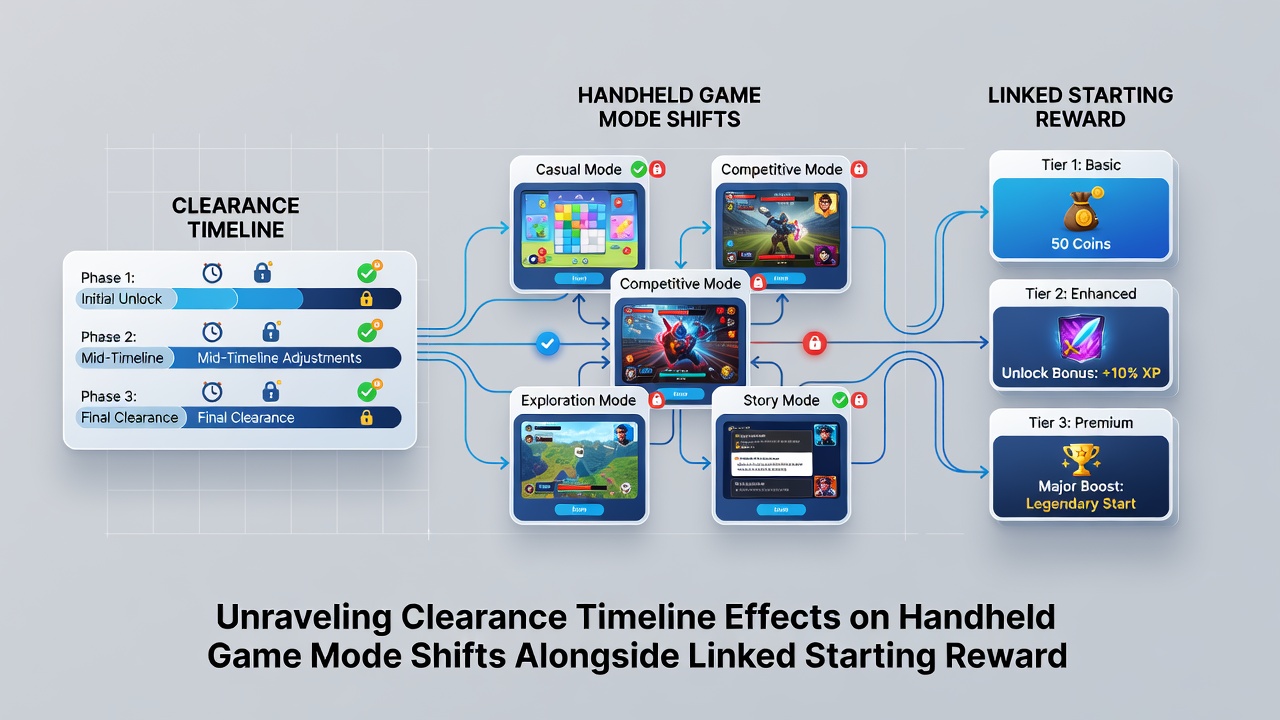
One analysis of transaction records from October 2026 highlighted that platforms experiencing clearance delays exceeding 60 days recorded higher redemption rates for table-game-linked welcome packages. The same datasets showed reduced uptake of slot-specific deposit incentives until new approvals cleared, suggesting reward structures serve as temporary bridges across approval gaps. Observers tracking these metrics across multiple operators report similar adjustments in regions including Nevada and several Canadian provinces.
Connections Between Timelines and Reward Structures
Starting reward structures frequently incorporate conditions tied to specific game modes, and clearance delays force operators to recalibrate these offers to align with currently authorized content. When regulators extend review periods for new handheld features, platforms commonly extend bonus validity windows or increase match percentages on approved alternatives to sustain deposit volumes. Figures released by the Alcohol and Gaming Commission of Ontario demonstrate that such recalibrations maintain overall player acquisition rates even when full mode expansions remain pending.
Industry reports compiled for the 2026 Global Gaming Expo further detail how operators restructure initial incentives around existing mobile table environments during prolonged certification cycles. These adjustments appear in both percentage-based deposit matches and free spin allocations, with the latter redirected toward already-cleared slot titles when newer variants await sign-off.
Regional Variations in Timeline Impacts
Different regulatory frameworks produce distinct effects on handheld preferences and reward linkages. Markets with streamlined digital submission portals tend to exhibit shorter clearance intervals and correspondingly smaller shifts in game mode activity. In contrast, jurisdictions relying on manual documentation reviews show wider fluctuations, with reward structures undergoing more frequent revisions to match available content. October 2026 data from several European oversight entities reflected these regional differences through varying bonus redemption statistics tied to approval speeds.
Academic examinations of platform logs confirm that reward structures function as adaptive mechanisms rather than fixed promotions when clearance timelines fluctuate. Researchers examining aggregated mobile session data found that operators in slower-approval regions introduced hybrid offers combining elements from multiple game categories to offset delays.
Conclusion
Clearance timeline variations continue to influence handheld game mode distributions and the configuration of starting reward structures across regulated markets. Available records demonstrate measurable correlations between approval durations, player migration patterns, and promotional adjustments, with October 2026 figures reinforcing these connections in multiple jurisdictions. Ongoing monitoring by regulatory bodies and industry analysts provides further insight into how these elements interact over time.