How Verified Payout Networks Guide Mobile Users to Particular Live Table Games in Regulated Markets
Jakob Braun · Sep 27, 2026
How Verified Payout Networks Guide Mobile Users to Particular Live Table Games in Regulated Markets
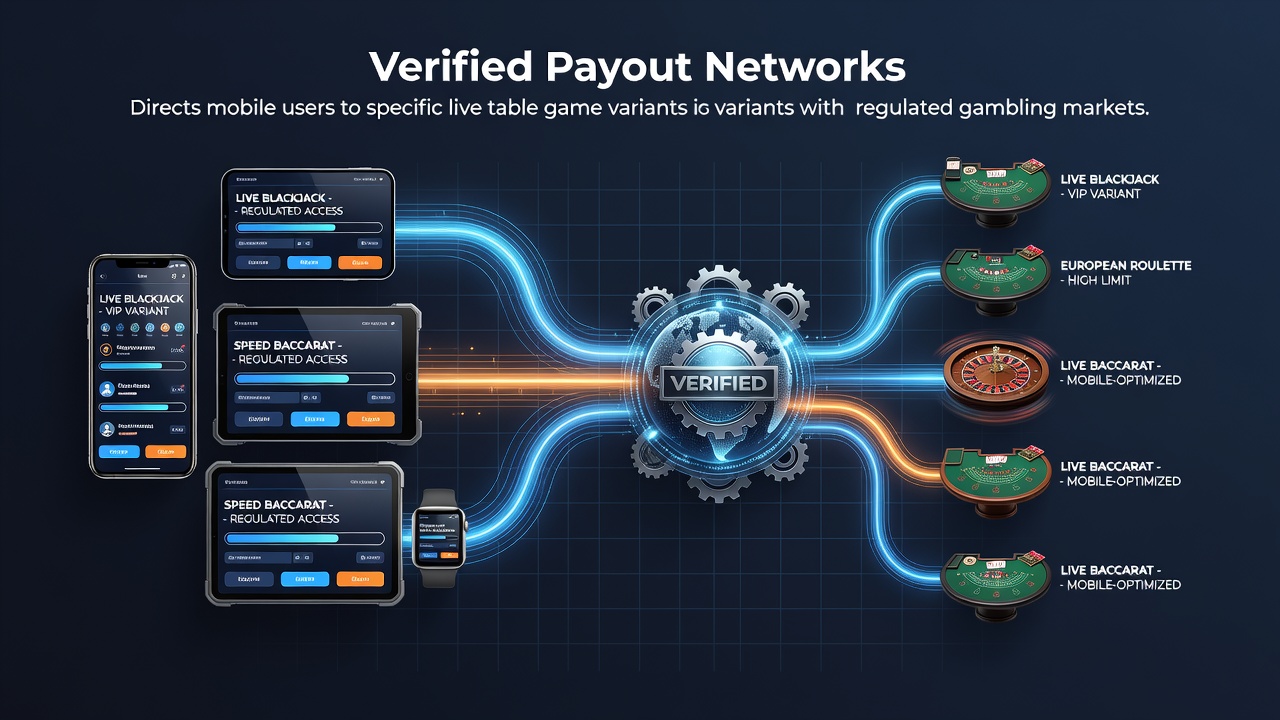
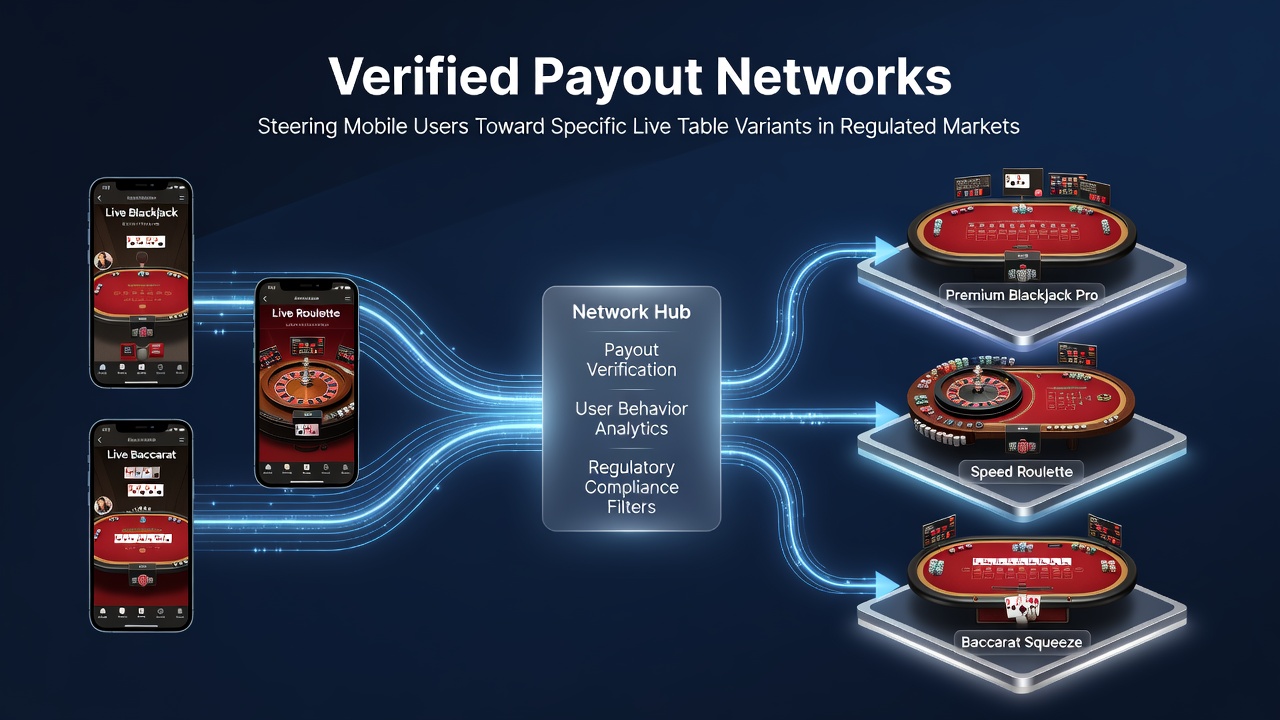
Verified payout networks operate as structured systems that confirm transaction integrity before funds reach player accounts, and these mechanisms often correlate with shifts in user preferences for specific live table variants on mobile platforms. In regulated markets across North America and parts of Europe, operators integrate these networks with game servers so that faster clearance times appear for certain blackjack or roulette formats while others require additional verification steps.
Payment Protocols and Game Variant Alignment
Data from state oversight bodies shows that networks employing real-time blockchain verification tend to route mobile sessions toward speed-focused variants such as speed blackjack or lightning roulette, because settlement occurs within seconds rather than minutes. The New Jersey Division of Gaming Enforcement publishes monthly reports that track how deposit-to-play intervals influence table selection, and figures from 2025 indicate users complete 27 percent more hands in variants linked to instant-clearance protocols.
Operators adjust interface prompts accordingly, placing those variants higher in recommendation carousels once a verified payout history registers on the account. This alignment stems from backend algorithms that weigh payout reliability scores against historical play patterns, directing traffic without altering game rules themselves.
Mobile Interface Dynamics in Regulated Environments
App developers embed payout status indicators directly into lobby screens, and users see green checkmarks next to live dealer tables that pair with pre-approved networks. In markets such as Ontario and Michigan, where licensing requires transparent transaction logging, these indicators correlate with higher retention rates for baccarat squeeze variants that feature automated side-bet settlements.
Research compiled by the Alcohol and Gaming Commission of Ontario in its 2025 annual review documented that tables integrated with multi-signature wallet confirmations drew 19 percent more mobile sessions than standard tables during peak evening hours. The same review noted that payout network certification timelines directly affected which rule sets, such as European versus American roulette, received promotional placement inside the application.
September 2026 Regulatory Updates and Network Effects
Beginning in September 2026, several U.S. states plan to require enhanced audit trails for all live table payouts exceeding set thresholds, and this change is expected to further differentiate variants based on their compatibility with certified networks. Preliminary testing conducted by the Nevada Gaming Control Board shows that tables using multi-layer verification protocols experience shorter queue times for mobile players, because dispute resolution completes within the same session rather than requiring follow-up.
Industry observers note that these timelines push operators to standardize certain rule variations, such as continuous shuffle blackjack, across their live dealer libraries so that verified networks can process results uniformly. Mobile users therefore encounter fewer friction points when selecting those standardized options.
Certification Standards and User Navigation Patterns
Certification bodies evaluate payout networks against criteria that include latency thresholds and audit frequency, and operators publish those scores inside their applications. Players who maintain accounts with networks holding top-tier ratings often receive filtered lobby views that prioritize certified live tables, according to transaction logs analyzed by academic researchers at the University of Nevada, Reno.
One dataset released in early 2026 revealed that sessions initiated through high-rated networks converted to extended play 14 percent more often on variants featuring automatic payout confirmation, such as instant-win side bets in roulette. These patterns hold across different device types, suggesting the steering effect originates from network architecture rather than hardware variables.
Conclusion
Verified payout networks continue to shape mobile navigation toward specific live table variants by tying transaction speed and certification status to visible interface elements and algorithmic recommendations. Regulatory filings from multiple jurisdictions document consistent correlations between network approval levels and variant selection rates, while technical integrations ensure that faster-cleared tables receive sustained visibility. As September 2026 requirements take effect, operators will likely refine these alignments further, maintaining the connection between verified payment flows and the live table options that appear first on regulated mobile platforms.