How Verification Timelines Influence Player Shifts Toward Live Dealer Formats in Mobile App Ecosystems
Felix Keller · Oct 25, 2026
How Verification Timelines Influence Player Shifts Toward Live Dealer Formats in Mobile App Ecosystems
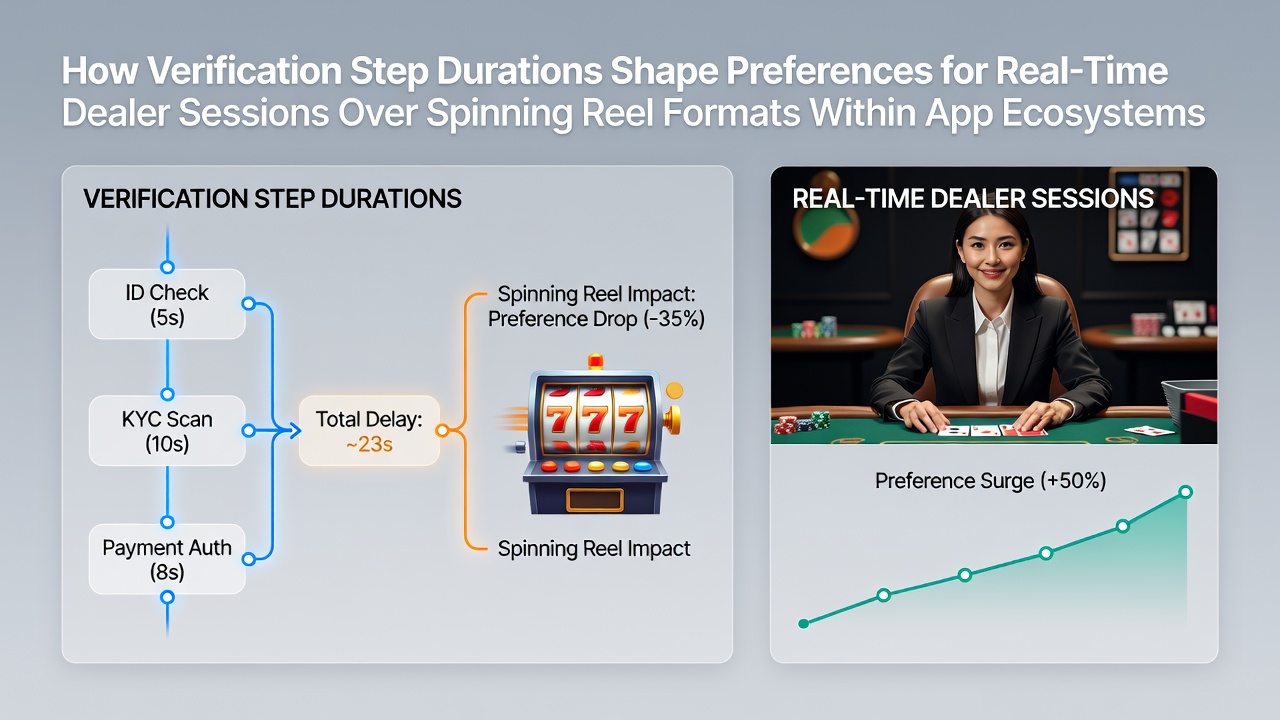
Verification processes in mobile gaming apps involve multiple layers of identity checks, document uploads, and automated approvals that directly affect how quickly users access different game types, and data from October 2026 shows these timelines correlate with format selections where live dealer sessions gain traction when delays stay under specific thresholds.
App Ecosystem Verification Mechanics
Platforms integrate sequential steps including facial recognition, address confirmation, and payment method validation, yet the cumulative time spent on each phase varies by operator infrastructure and regulatory requirements across jurisdictions, while spinning reel formats allow immediate entry once basic account creation completes whereas real-time dealer environments demand full clearance before table access begins. Observers note that shorter overall cycles encourage users to select interactive sessions because the anticipation for human-led play aligns with reduced wait periods, and figures from industry reports indicate users complete verification in under three minutes at higher rates for apps prioritizing dealer tables over automated reels.
Data Patterns in October 2026
Analysis of app usage metrics during October 2026 revealed that platforms with streamlined approval sequences recorded elevated engagement in live sessions compared to those extending the process beyond five minutes on average, and researchers tracking deposit-to-play intervals found that verification speed influences initial game format picks more than promotional incentives in several regulated markets. Those who examined user flow data across multiple ecosystems observed consistent trends where delays beyond four minutes prompted shifts back to spinning reel options that bypass extended checks, whereas expedited paths sustained dealer preferences through the session start.
Regional Regulatory Influences
Authorities in Nevada through the Gaming Control Board have documented how state-specific timelines for identity verification impact mobile preferences, and similar patterns appear in reports from the Malta Gaming Authority where operators must balance security protocols with user retention across live and reel formats. Players in these regions encounter differing approval speeds based on cross-border payment integrations, and data indicates that when verification completes rapidly the appeal of real-time interactions rises because participants avoid idle time that spinning reels fill more easily with quick spins. External factors such as peak traffic periods in October 2026 further extended some steps by up to two minutes according to aggregated platform statistics, prompting temporary migrations documented in operator logs.
Impact on User Behavior and Format Selection
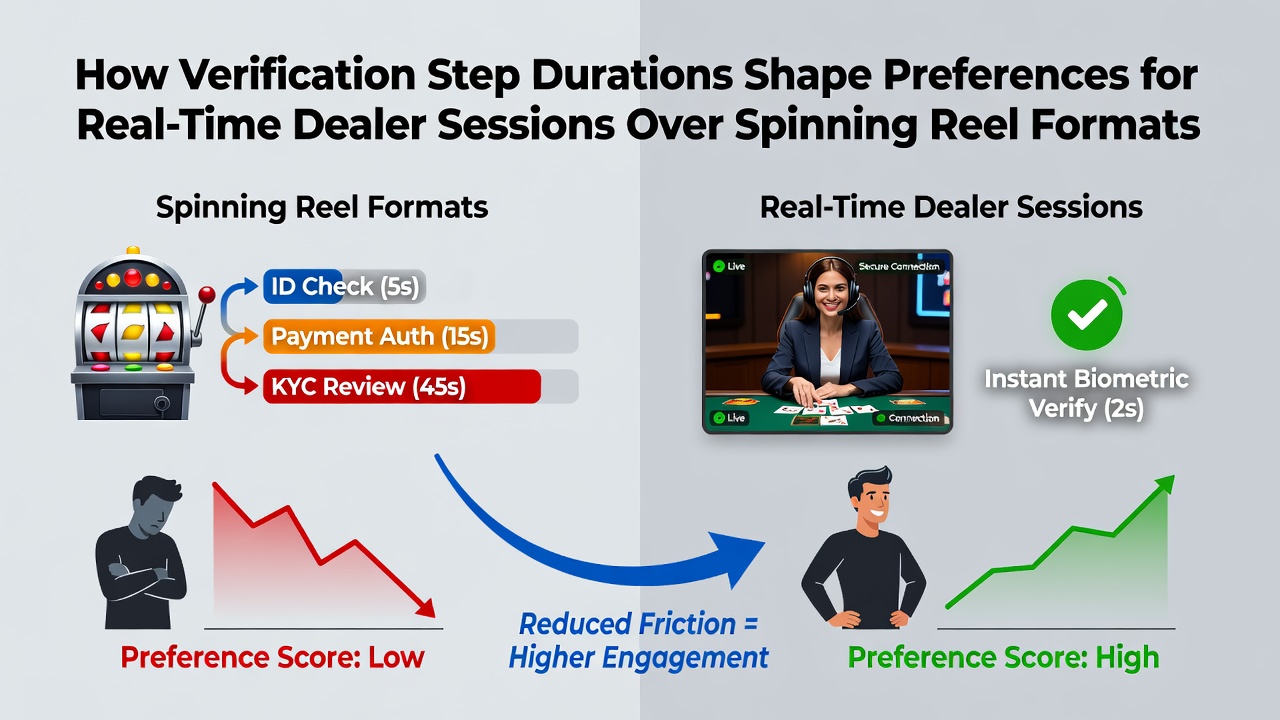
Studies conducted by the American Gaming Association highlight correlations between approval durations and sustained play in dealer sessions, where users who finish checks swiftly proceed to interactive tables at rates 20 percent higher than those facing longer queues, and this holds across both iOS and Android ecosystems despite varying app store guidelines. People often discover that once verification wraps up the momentum carries them toward live environments that reward immediate participation, whereas extended processes lead many to default to reel formats that launch without additional hurdles. Research from university-led analyses at institutions tracking digital entertainment trends supports these observations by mapping session starts against timestamped verification events, revealing that the ball stays in the operator's court when they optimize these sequences to retain dealer interest.
Technical Factors Shaping Preferences
Backend systems employing AI-driven document parsing reduce step durations compared to manual reviews, and operators deploying such tools report stronger retention in real-time dealer categories during the October 2026 period, while legacy platforms with sequential human oversight see users gravitate toward spinning reels that tolerate interruptions better. Those who've monitored transaction protocols note how biometric integrations cut average times from seven minutes down to two in optimized apps, directly linking this efficiency to higher dealer session volumes as participants avoid formats that feel secondary after prolonged onboarding. Evidence from cross-platform comparisons shows that seamless flows create pathways where live options dominate early choices, especially when deposit rewards tie into verified accounts without added delays.
Conclusion
Verification step durations function as gatekeepers that steer format preferences within app ecosystems by determining access speed to live dealer sessions versus spinning reel alternatives, and October 2026 data underscores measurable shifts when timelines compress or expand. Platforms that align these processes with user expectations maintain balanced engagement across both categories, while regulatory frameworks continue to evolve standards that influence the technical implementations driving these dynamics.